
For a startup, the realistic timeline to complete SOC 2 certification in-house is typically 3 to 6 months. This duration accounts for the necessary gap between initial readiness and the final audit. Teams that automate evidence collection and maintain continuous controls significantly reduce this window. KeelGRC supports this process by allowing teams to collect evidence once and apply it across multiple frameworks, streamlining the path to audit readiness.
Phase 1: Gap Analysis and Scope Definition
The first step in the SOC 2 timeline is defining the scope of the audit. This phase usually takes 2 to 4 weeks. Startups must identify which Trust Service Criteria apply to their specific business model. A common mistake is over-scoping, which delays the entire process. KeelGRC helps teams map their existing controls to the required criteria, ensuring the scope is accurate from day one. This initial clarity prevents rework later in the cycle.
Phase 2: Control Implementation and Policy Creation
Once the scope is set, the team must implement the necessary controls. This is the most labor-intensive phase, often lasting 4 to 8 weeks. It involves writing policies, configuring security tools, and training staff. For example, a startup might need to implement multi-factor authentication and access review procedures. KeelGRC provides framework-mapped policy templates that can be approved and exported as branded PDFs. This accelerates the policy creation process, allowing teams to focus on technical implementation rather than document drafting.
Phase 3: Evidence Collection and Monitoring
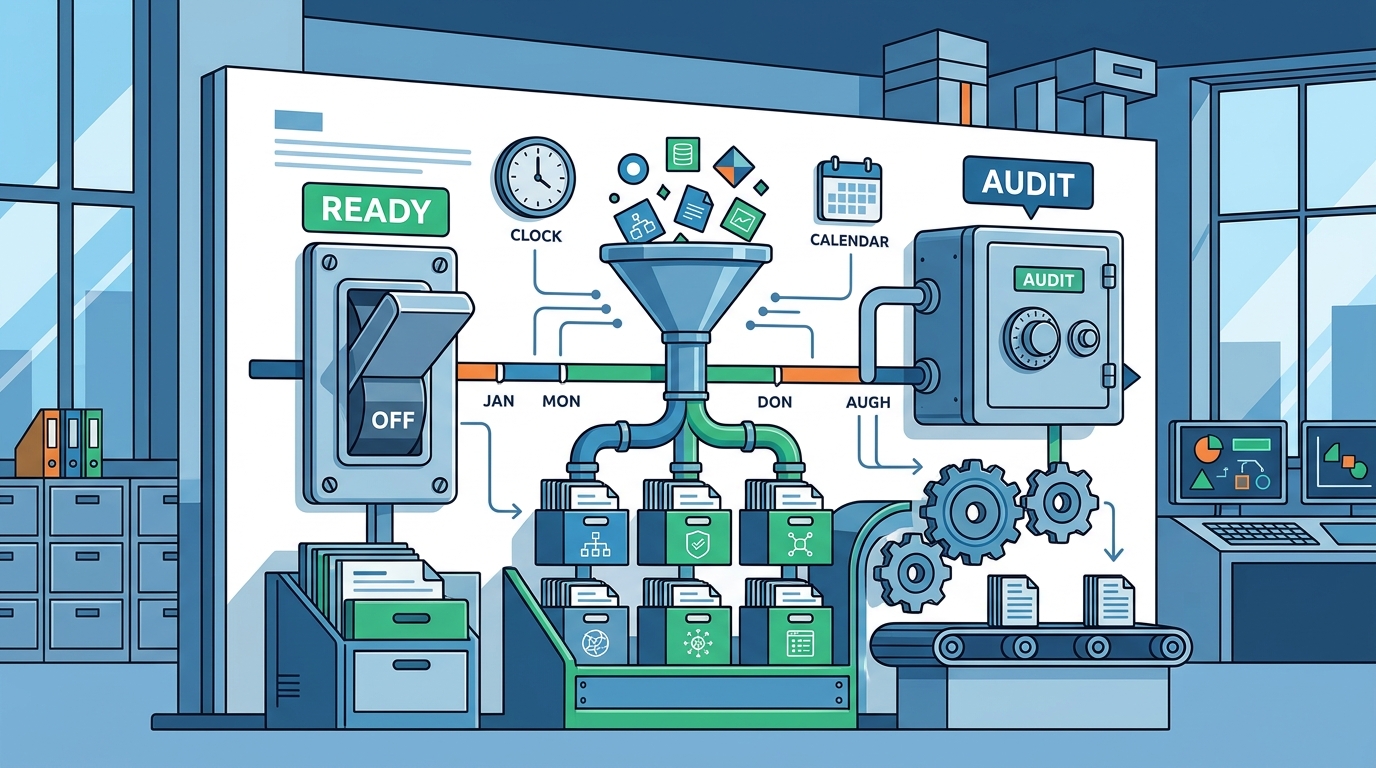
After controls are live, the team must collect evidence to prove they are working. This phase typically requires 4 to 8 weeks of continuous monitoring. Manual evidence collection is a major bottleneck for in-house teams. KeelGRC automates this by attaching evidence once and linking it to multiple controls. This approach ensures that the evidence is always current and audit-ready. The platform's crosswalk-native design means that evidence collected for SOC 2 also supports ISO 27001 and other frameworks, maximizing the return on effort.
Phase 4: The Audit and Remediation
The final phase is the audit itself, which usually takes 2 to 4 weeks. The auditor reviews the evidence and may request additional documentation. If gaps are found, the team must remediate them. KeelGRC's readiness reports help teams identify potential gaps before the auditor arrives. This proactive approach reduces the risk of audit failure and shortens the remediation period. The goal is to pass the audit on the first attempt, which is critical for maintaining the timeline.
Key Takeaways
- The total timeline for in-house SOC 2 certification is typically 3 to 6 months.
- Gap analysis and scope definition take 2 to 4 weeks.
- Control implementation and policy creation take 4 to 8 weeks.
- Evidence collection and monitoring take 4 to 8 weeks.
- The audit and remediation phase takes 2 to 4 weeks.
- Automating evidence collection significantly reduces the overall timeline.
- Using a crosswalk-native platform like KeelGRC allows teams to comply with multiple frameworks simultaneously.
Frequently Asked Questions
How long does it take to get SOC 2 certified?
It typically takes 3 to 6 months for a startup to complete SOC 2 certification in-house. This timeline includes gap analysis, control implementation, evidence collection, and the final audit.
Can I do SOC 2 without a consultant?
Yes, many startups complete SOC 2 in-house using GRC platforms. These tools automate evidence collection and provide templates for policies, reducing the need for external consultants.
What is the most time-consuming part of SOC 2?
Evidence collection is often the most time-consuming part. Manual processes can take weeks, but automation tools can reduce this to a continuous, low-effort task.
Does SOC 2 require a specific tool?
No, SOC 2 does not require a specific tool. However, using a GRC platform like KeelGRC can streamline the process by centralizing controls, evidence, and policies.
How often do I need to renew SOC 2?
SOC 2 reports are typically valid for one year. Companies must undergo an annual audit to maintain their certification and keep their report current. Learn more: Support Keel.